

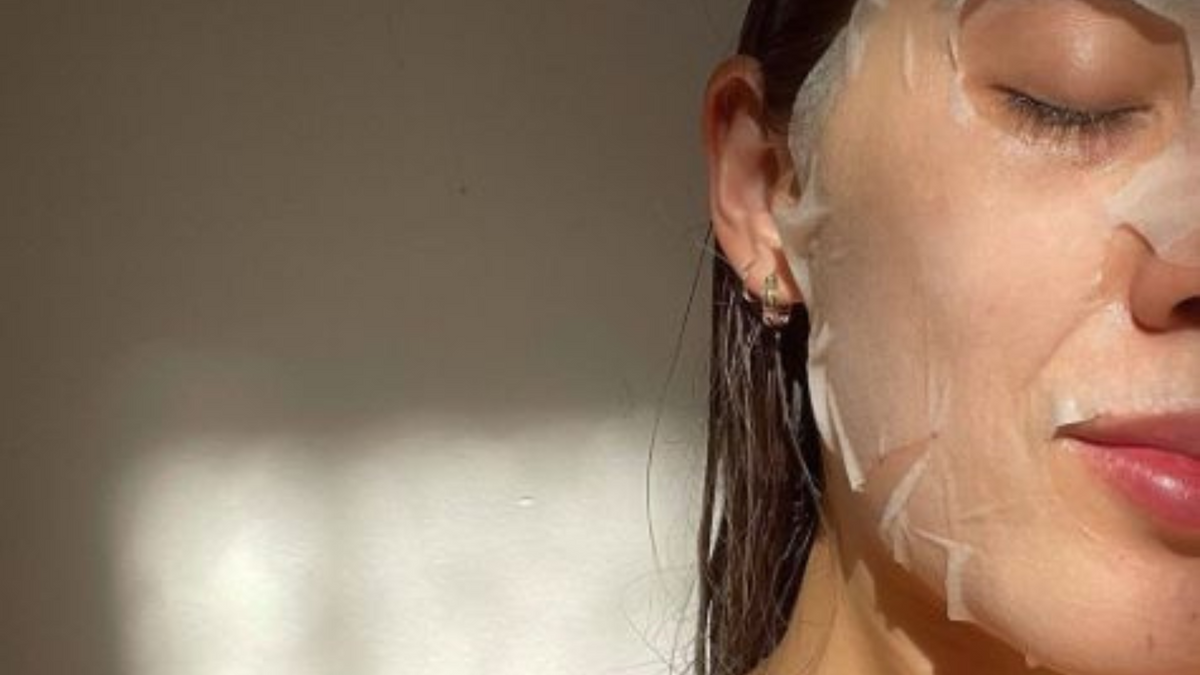
What Is a Biocellulose Sheet Mask? (And Why It Feels So Different)
If you've ever peeled off a sheet mask and felt like most of the serum stayed in the fabric, you're not imagining it. And if a mask has ever slid down your face while you were trying to relax, that wasn't you doing it wrong either.
The material matters as much as the formula. That's why every MĒNOS mask is made from biocellulose.
What is a biocellulose sheet mask?
Biocellulose is a plant-based material that is grown rather than woven. It forms during a natural fermentation process from organic coconut, building a web of ultra-fine fibers far thinner than cotton.
The result is a sheet that feels almost like a gel. It's translucent, cool, and it settles onto the face like a second skin.
It was first used in wound-care dressings because it holds moisture so well and sits so gently on sensitive skin. Skincare borrowed it for the same reasons.
Biocellulose vs. cotton and fiber sheet masks
Most sheet masks are cut from cotton, viscose, or synthetic non-woven fabric. Here's how biocellulose compares:
- Fit: Biocellulose clings to every contour: under the eyes, around the nose, along the jaw. Fabric masks tend to lift at the edges, so parts of the face get very little serum.
- Serum delivery: Fabric absorbs and holds onto a lot of its own serum. Biocellulose holds many times its weight in liquid and releases it evenly, so more of the formula ends up on your skin.
- Moisture seal: That close contact creates a sealed layer that slows evaporation for the full wear time, so skin feels deeply hydrated rather than just damp.
- Comfort: Biocellulose is cool and weightless. It doesn't drip or slide, so you can actually lie back and rest.
- End of life: It's plant-derived and biodegradable, unlike synthetic fiber sheets.
Who is a biocellulose mask for?
Honestly, anyone. But it is especially kind to skin that's sensitive, dehydrated, or stress-reactive, the kind that flushes easily or feels tight by mid-afternoon. There's no friction and no rubbing; you simply lay it down and let the skin receive.
If you've noticed your skin gets worse during stressful weeks, you might like The Nervous System + Skin Connection. It explains why a calm, slow ritual can matter as much as the ingredients.
How to use a biocellulose sheet mask
- Cleanse gently. A non-stripping cleanser like RESTORE Liquid Balm Cleanser leaves skin clean but not tight.
- Unfold slowly. Biocellulose is delicate. Peel it from its backing and smooth it on from the center outward.
- Rest for 10–15 minutes. Use the time for slow breathing, or simply close your eyes. This is part of the treatment.
- Press, don't rinse. Remove the mask and press any remaining serum into your face and neck.
- Seal it in. Finish with a few drops of RITUAL Face Oil.
Once or twice a week is plenty. Use it more often before a big event or when your skin feels depleted.
The two MĒNOS biocellulose masks
I formulate and fill both masks by hand in my apothecary, with serum made from certified organic ingredients:
- RENEW Vitamin C Boost Sheet Mask is for dull, tired-looking skin. It pairs liposomal vitamin C with snow mushroom for brighter, more even-looking skin after one use.
- REVIVE Hydrating Sheet Mask is for dry, reactive skin that's running on empty. Calendula, sweet grass, and our in-house Fall Folk Glyceride leave skin visibly calmer and softer in 15 minutes.
Curious what goes into the serum itself? Read Nobody talks about what's actually inside your sheet mask.
Quick answers
Is biocellulose better than a cotton sheet mask? For fit, comfort, and how much serum reaches your skin, yes. Cotton masks are cheaper to make, which is why they're more common.
Can I reuse a biocellulose mask? No. Once it has released its serum, it has done its job.
Is it good for sensitive skin? It's one of the gentlest formats there is. Always check the ingredient list for anything you know you react to.
✦ Your skin isn't asking for more. Sometimes it's asking to be held.
Read more

We've Been Featured on Organic Spa's 2026 Beauty Awards.
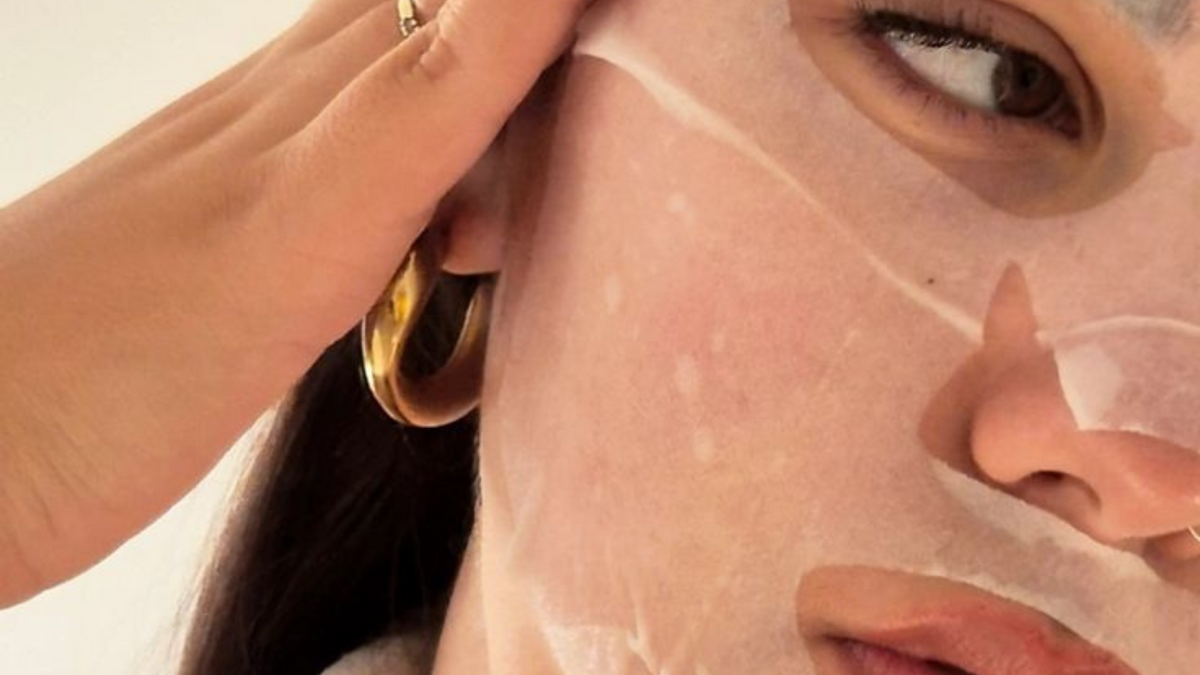
Sheet masks get filed under 'fun extra.' Used well, they're one of the simplest ways to give tired, thirsty skin a real reset — and give yourself 15 minutes of stillness.