

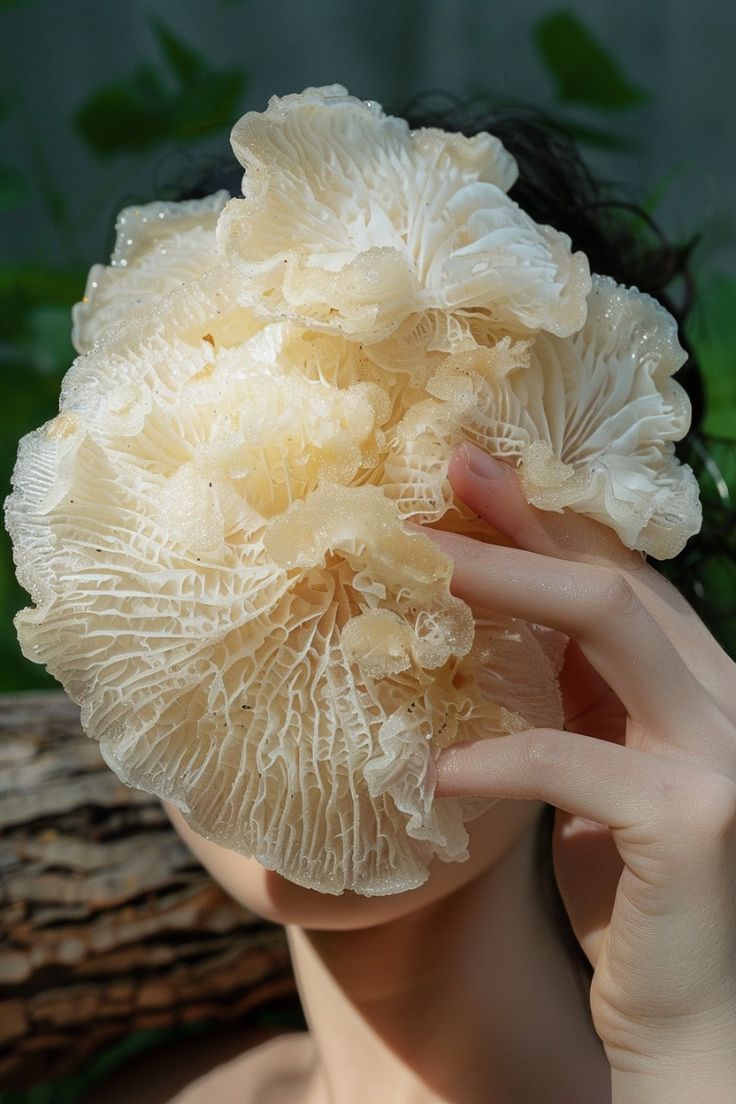
Tremella, Cordyceps, and the Glycerins We Make In-House; Why These Three Define How We Hydrate
There is a version of ingredient marketing that lists what something does without explaining why it works, or whether it works in the context it's actually being used. We're not interested in that version.
When we formulate at MĒNOS, every ingredient earns its place — scientifically, philosophically, and in terms of what it asks of the nervous system and skin together. The three ingredients we're spotlighting here sit at the center of how we approach hydration: tremella mushroom, cordyceps mushroom, and the glycerins we produce in-house.
Here's why they matter.

Tremella Fuciformis — The Hyaluronic Acid Comparison You've Seen, and What's Actually True
Tremella mushroom, sometimes called snow mushroom or silver ear mushroom, has become more visible in skincare conversations over the last few years — often framed alongside the claim that it outperforms hyaluronic acid. The reality is more nuanced, and more interesting.
Tremella's primary active component is a polysaccharide — a large, complex sugar molecule — that has a strong capacity to attract and hold moisture. Its molecular structure is similar to hyaluronic acid in its humectant function, but tremella's particle size is smaller, which allows it to interact with the skin surface in a way that is both effective at drawing in moisture and less likely to have the paradoxical drying effect that high-molecular-weight hyaluronic acid can produce in low-humidity environments.
What we find equally compelling is tremella's behavior under stress conditions. Research has shown antioxidant and anti-inflammatory properties, along with some evidence of support for the skin's own repair processes. For skin that has been living in a chronically elevated stress state — barrier compromised, inflammation elevated — tremella offers hydration that doesn't just sit on top, but supports the conditions for deeper repair.
It also has a long history in traditional Chinese and Greek botanical medicine as an internal longevity tonic. That lineage matters to us. We are not the first people to find tremella worth paying attention to.

Cordyceps — Adaptogen, Mitochondrial Support, Skin Resilience
Cordyceps is one of the most researched adaptogenic fungi in both traditional medicine and contemporary clinical study. It has a well-documented history of use in traditional Tibetan and Chinese medicine for endurance, immune modulation, and vitality — and an increasingly robust body of modern research supporting several of those applications.
For skin, the most relevant mechanisms are these: cordyceps has been shown to support cellular energy production at the mitochondrial level. Skin cells, particularly the fibroblasts responsible for collagen production and the keratinocytes that form the barrier, require sufficient cellular energy to do their work. Under chronic stress, mitochondrial function in skin cells can be impaired — this is one of the pathways through which psychological and physiological stress translates into visible skin aging and diminished barrier function.
Cordyceps also demonstrates anti-inflammatory action and some evidence of supporting the HPA axis — the hypothalamic-pituitary-adrenal axis that governs the cortisol stress response. In that sense, it functions in alignment with the core philosophy of MĒNOS: working at the interface between nervous system state and skin health, rather than treating the skin as a system in isolation.
As an adaptogen, cordyceps is not doing one thing. It is helping the body modulate — responding to what the system needs rather than forcing a single outcome. That adaptability is why adaptogens belong in formulations designed for stressed, sensitive, or dysregulated skin.

In-House Glycerins — Why We Make Our Own
Glycerin is one of the most well-established humectants in skincare — drawing water from the air and the deeper layers of skin toward the surface, improving hydration and supporting barrier integrity. It is also one of the most ubiquitous ingredients in conventional skincare, which means quality varies significantly depending on source and processing.
At MĒNOS, we produce our glycerins in-house from USDA Certified Organic plant sources. This is not a marketing distinction — it changes the material. Conventionally sourced glycerin is often a byproduct of industrial soap-making or biodiesel production, derived from animal fats or non-organic plant oils. The resulting glycerin is functionally pure, but the upstream sourcing matters to us both ethically and in terms of the integrity we want in every element of our formulations.
Our in-house glycerins retain more of the plant's original character. They are slower to produce, which is why most brands don't do it this way. For us, it's consistent with how we think about the whole: if the philosophy is that every input to the body communicates something — that the skin and nervous system are reading context, not just chemistry — then the quality and intention behind each ingredient matters from source to skin.
Combined, these three create a hydration system designed for skin that has been under load. Tremella to attract and hold moisture at the surface. Cordyceps to support cellular energy and reduce the inflammatory burden. Our glycerins to deliver all of it in a medium that is clean, plant-derived, and made with the same care as the rest of what we do.
This is what nervous system-led skincare looks like in formulation — not just philosophy, but practice.
Read more
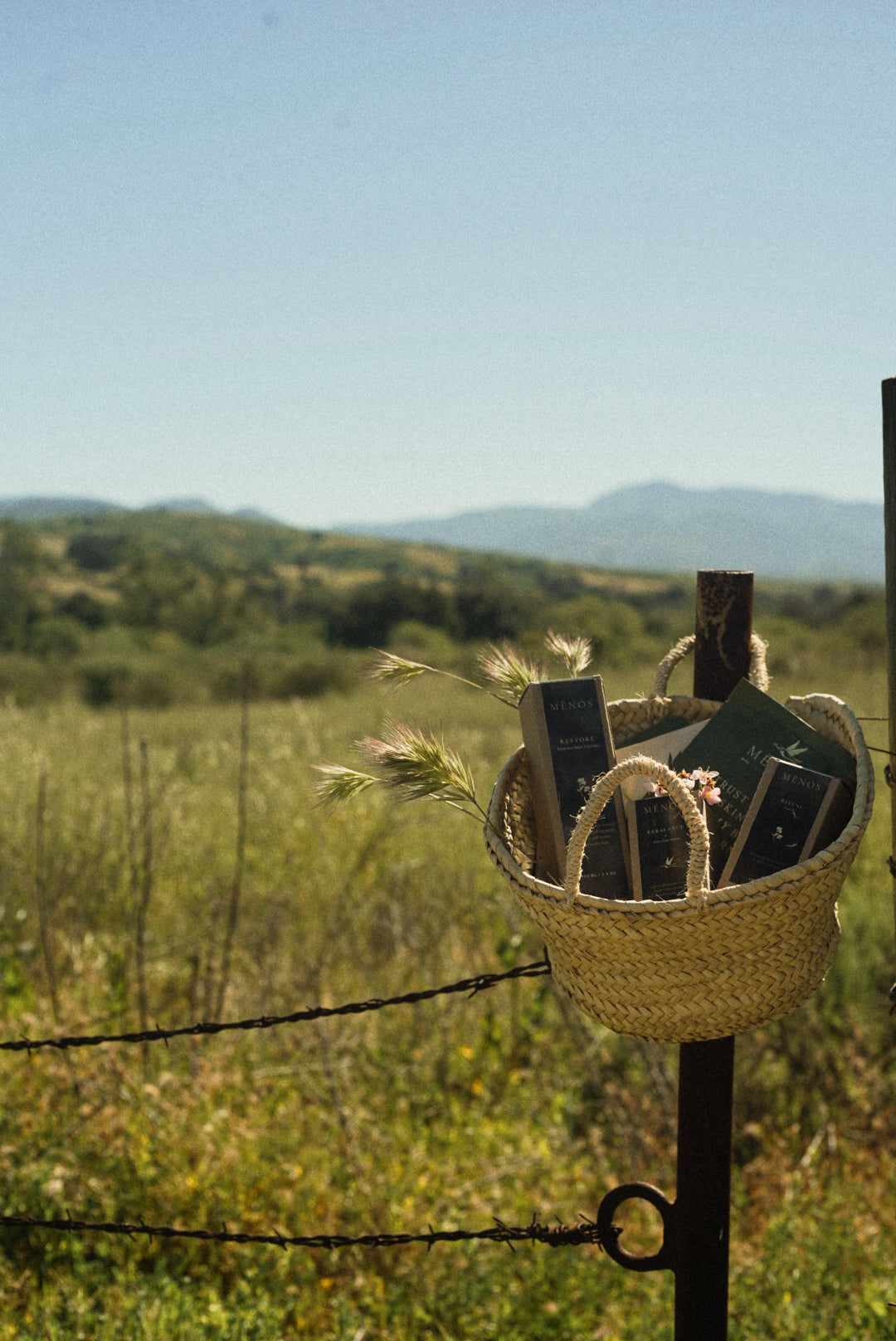
When your nervous system perceives a threat — whether that's a deadline, a difficult conversation, a memory, or a disrupted sleep cycle — it activates the sympathetic stress response.
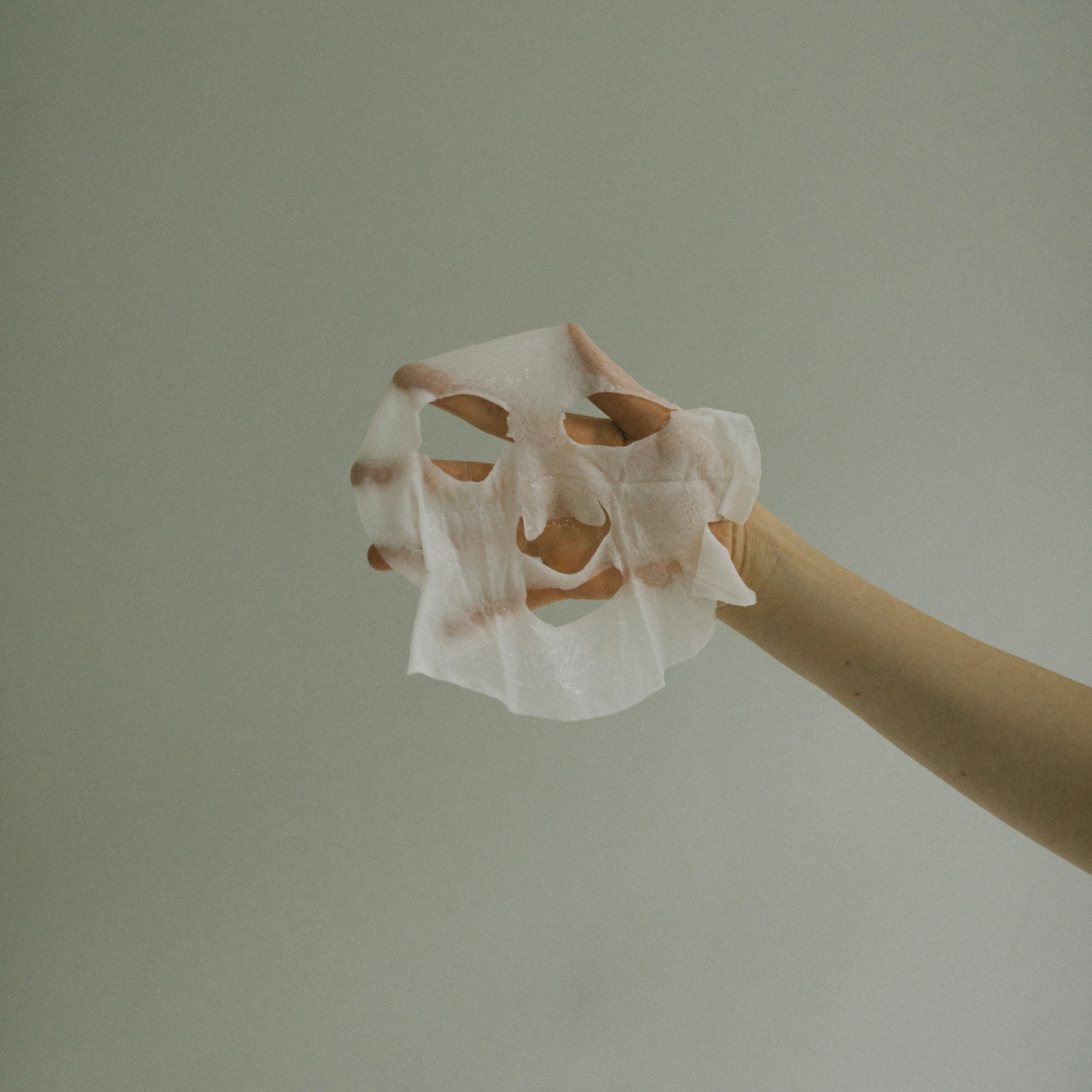
Majority of sheet masks are made from polyester, nylon, or rayon. You know what they are? Petroleum-derived materials that don't biodegrade and have no biological affinity with your skin.